
Yes, you can take pre-workout while fasted, but the answer changes based on what’s in the tub and why you’re fasting in the first place. A caffeine-only formula with negligible calories generally won’t undo a fast; formulas containing BCAAs, EAAs, or real sugar likely will. Athletes chasing performance in long or high-intensity sessions should lean toward eating something first, while people doing shorter, lower-intensity training can usually experiment with training fasted.
TL;DR:
- Fasted training increases fat burning during workouts but does not lead to greater long-term fat loss or muscle gain when total calorie intake remains the same.
- Pre-workout products with fewer than 10 calories and no amino acids are generally fasting-friendly, but BCAAs, EAAs, and carbohydrates will break the fast.
- Stimulants like caffeine absorb faster on an empty stomach, often causing stronger jitters or nausea, especially for people with health conditions or during longer sessions.
- Short, moderate-intensity workouts under 60 minutes are suitable for fasted training, while high-intensity or long sessions tend to perform better when fed.
- For effective fasted workouts, start with low stimulant doses, time intake 20 to 60 minutes before exercise, and monitor body’s response to avoid adverse effects.
Table of Contents
- Pre Workout Fasted Training: What the Research Shows for Fat Loss and Performance
- Does Pre-Workout Break a Fast? Ingredient Checklist and Rule of Thumb
- Is It Safe to Take Pre-Workout on an Empty Stomach?
- How to Time and Dose Pre-Workout for Fasted Training
- What to Look for in a Pre-Workout If You Train Fasted
- Our Take on Fasted Pre-Workout: Who Should Try It and Who Shouldn’t
- Where Organicufuel Fits Into a Fasted Training Routine
- Primary Sources and Further Reading
- Sources
- FAQ
Pre Workout Fasted Training: What the Research Shows for Fat Loss and Performance
Fasted training burns more fat while you’re actually doing it. That part isn’t controversial. A systematic review and meta-analysis of randomized clinical trials covering 28 trials and 302 participants confirmed the acute shift in fuel use, with fasted sessions relying more heavily on fat oxidation during exercise itself.
The catch is what happens after the workout ends. That same body of research found no meaningful long-term difference in triacylglycerol levels or fat-burning capacity between fasted and fed groups once total calorie intake was matched. A separate four-week trial on body composition in young women backed this up: both fasted and fed exercisers lost fat and weight, but neither group came out ahead of the other.
Twelve-week resistance training studies tell a similar story for strength and lean mass. No advantage either way, provided people ate enough overall.
A few caveats worth flagging before you treat this as settled science:
- Most trials run 4 to 12 weeks, which is short for judging body-composition change.
- Sample sizes in individual studies are often modest, even though the meta-analysis pooled hundreds of participants.
- Session types vary widely across studies, from steady-state cardio to resistance training, which limits how directly results transfer to your specific workout.
A meta-analysis of multiple randomized trials found acute metabolic shifts with fasted training but no long-term advantage for fat loss or strength when calories are equated. Fasting during exercise changes what your body burns in the moment. It does not appear to change what you look like in three months if your calories are already dialed in. The practical move is to pick whichever approach lets you train harder and stick with your overall eating plan, since consistency beats the fasted/fed debate every time.
Does Pre-Workout Break a Fast? Ingredient Checklist and Rule of Thumb
Whether pre-workout technically breaks a fast comes down to two things: calories and amino acid content. Fasting is defined metabolically, not just by clock time, and certain ingredients trigger digestive and hormonal responses that pure water or black coffee never will.
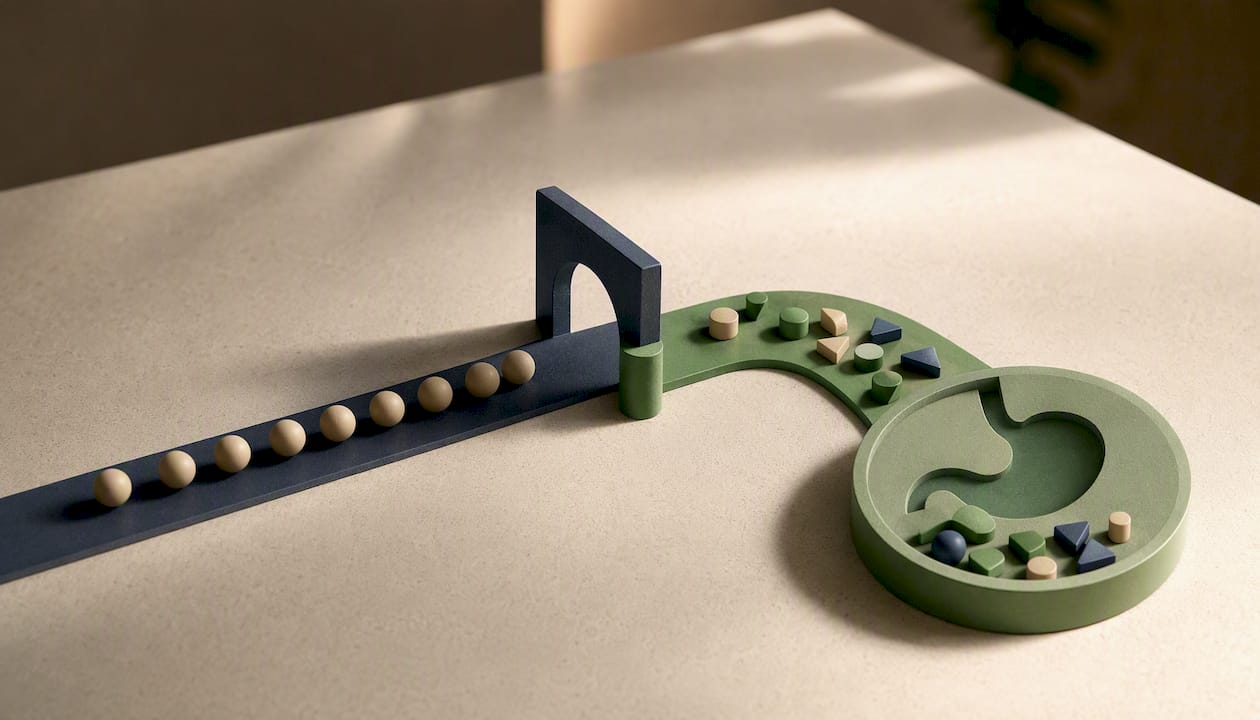
A commonly cited cutoff is about 10 calories. Below that threshold, most people won’t see a meaningful insulin response or shift out of a fasted metabolic state. Above it, especially with protein-containing ingredients, you’re functionally eating.
Here’s how common pre-workout ingredients stack up:
- Caffeine (anhydrous or natural): Essentially calorie-free and doesn’t trigger an insulin response. Generally considered fasting-friendly.
- Creatine monohydrate: Zero calories, no amino acid signaling in the way BCAAs do. Widely considered fine during a fast.
- BCAAs and EAAs: These are amino acids, and amino acids activate mTOR and insulin pathways the same way a protein shake would. This is the biggest fast-breaker most people overlook.
- Dextrose, maltodextrin, or added sugars: Any real carbohydrate content spikes blood glucose and ends a fast almost immediately.
- Artificial or non-nutritive sweeteners: Generally minimal metabolic impact, though some research suggests certain sweeteners can modestly affect insulin sensitivity in sensitive individuals.
Pro Tip: Flip the label over and scan for “amino acid blend,” “BCAA,” or “EAA matrix” before assuming a product is fasting-safe. Brands love burying these in proprietary blends, and a formula that looks stimulant-only on the front label can still carry 3 to 5 grams of aminos that will end your fast.
Individual variability matters here too. Some people notice a stronger insulin response to sweeteners than others, so treat the 10-calorie guideline as a starting point, not a law.
Is It Safe to Take Pre-Workout on an Empty Stomach?
Stimulants hit differently without food in your system. Caffeine absorbs faster on an empty stomach, which means the jitters, nausea, and rapid heart rate some people associate with pre-workout often show up more intensely during fasted training.
Common side effects reported when taking stimulants fasted include nausea, jitteriness, stomach upset, and a stronger spike in blood pressure and heart rate than the same dose would produce after a meal. None of this is unusual. It’s a predictable outcome of faster absorption combined with an empty gut, and research on exercise and the gastrointestinal tract supports the pattern.
Certain groups should be more cautious, or should talk to a clinician before combining fasting and stimulant pre-workouts at all:
- People with diabetes or anyone on glucose-lowering medication. Fasting already shifts blood sugar dynamics, and stacking a stimulant on top adds another variable your care team should weigh in on.
- Anyone with a diagnosed cardiovascular condition. A stronger blood pressure and heart rate response on an empty stomach isn’t a minor inconvenience for this group.
- People new to fasted training in general. Your body hasn’t adapted yet, and the combination of low blood sugar plus stimulants is exactly when most bad reactions happen.
To reduce risk: start with half your normal dose, skip fasted stimulant use before long or high-intensity sessions, and prioritize hydration since caffeine’s mild diuretic effect compounds with fasting-related fluid shifts. Stop immediately and seek care if you experience dizziness, fainting, chest pain, or a racing heartbeat that doesn’t settle within a few minutes.
How to Time and Dose Pre-Workout for Fasted Training
Match your approach to the workout, not the other way around. Short, steady cardio and lighter strength sessions tolerate fasted training well. HIIT, heavy compound lifting, and endurance work past the 60-minute mark generally perform better fed, a point echoed in the Academy of Nutrition and Dietetics’ position on athletic performance.
If you’re testing fasted pre-workout, keep the protocol simple:
- Start caffeine dosing low rather than jumping to a full scoop to help minimize adverse effects, especially during fasted training.
- Time intake 20 to 60 minutes before training so peak absorption lines up with your warm-up.
- Skip high-dose stimulants entirely before anything long or high-intensity until you know how your body responds.
- Hydrate deliberately and consider a pinch of electrolytes if you’re training in heat or sweating heavily.
- If performance declines, consuming a small amount of carbohydrates may help rather than forcing through a fasted session that feels difficult.
Pro Tip: Run a 3 to 5 session trial before deciding fasted pre-workout works for you. Track rate of perceived exertion, total training volume (sets times reps times weight), any nausea, and how you feel the next morning. Patterns show up fast, usually within the first three sessions.
If your numbers hold steady across those sessions and you’re not fighting nausea or dizziness, fasted training with a light stimulant dose is probably sustainable for you. If volume drops or RPE creeps up significantly, that’s your body telling you to eat first.
What to Look for in a Pre-Workout If You Train Fasted
Not every pre-workout is built for fasted use. If you want to stay in a fasted state, look for formulas that skip amino acid blends entirely and keep total calories in single digits per serving.
Practical features worth checking on the label:
- Low or negligible calorie count per serving, ideally under the roughly 10-calorie threshold discussed above.
- No BCAA or EAA additions, since these are the clearest fast-breakers in most formulas.
- A stimulant profile you can dose flexibly, so you can start low and adjust rather than committing to a full scoop.
Some brands formulate supplements with ingredient transparency in mind, and some products may be lab-tested for safety and potency as part of a quality process. If you’re using any performance supplement alongside fasting for an extended period, particularly if you’re also targeting hormone-related goals like testosterone support, it’s worth having baseline bloodwork done or consulting a clinician first. That’s true regardless of which brand’s product you’re using.
Our Take on Fasted Pre-Workout: Who Should Try It and Who Shouldn’t
We generally recommend fasted pre-workout for people doing shorter, moderate-intensity sessions who tolerate caffeine well. We don’t recommend it for anyone managing diabetes, cardiovascular risk, or planning a long, high-intensity workout. A reasonable starting protocol: half your normal caffeine dose, 30 minutes before training, on a short session. Total daily calories still matter more than fasting timing for long-term results.
— Organic
Where Organicufuel Fits Into a Fasted Training Routine
If you’re looking for a pre-workout built around a cleaner ingredient list rather than a mystery amino blend, Alpha Cactus is worth a look for readers who want a stimulant-forward option without the added calories that come from sugar-heavy formulas. For men also focused on longer-term vitality and stamina alongside training, Ageless For Men rounds out a routine that isn’t just about the workout window.
Some supplements are lab-tested for safety and potency, and may be FDA-registered and GMP-certified, made in the USA. If hormone support is part of your goal, particularly if fasted training and stimulant use are part of a broader testosterone-focused routine, BioSync-XT is designed for that, and the labs page walks through how testing works if you want to see it before you buy.
A small snack works fine too if fasted training just isn’t clicking for you. But if you want to stay fasted and still get a training boost, start with a single product rather than a bundle, dial in your dose, and see how your body responds. Check out Alpha Cactus to get started, backed by Organicufuel’s money-back guarantee if it’s not the right fit.
Primary Sources and Further Reading
For readers who want the underlying research: the fasted vs. fed metabolism meta-analysis, the body composition trial on fasted aerobic exercise, and National Geographic’s accessible breakdown of what fasted training does to your body. For meal-timing strategies around workouts generally, Wild Foodz’s guide to eating well around exercise offers practical, food-first suggestions.
This article is general information, not a substitute for advice from a qualified doctor. Consult a qualified healthcare professional about your own circumstances before acting on anything here.
Sources
- The effects of acute bouts of exercise in fasted vs. fed states on glucose and lipid metabolism in healthy adults: A systematic review and meta-analysis of randomized clinical trials
- What happens to your body when you work out before you eat | National Geographic
- Does Pre-Workout Break a Fast? Quickly Answered
FAQ
Can you take pre-workout fasted?
Yes, provided the formula stays under roughly 10 calories per serving and skips BCAAs or EAAs, which are the ingredients most likely to end a fasted state.
Is pre-workout okay on an empty stomach?
For most healthy adults, low-calorie, amino-acid-free pre-workout is generally fine on an empty stomach, though stimulants absorb faster and can cause stronger jitters or nausea without food. People with diabetes or cardiovascular conditions should check with a clinician first.
Will a stimulant-based pre-workout break a fast?
A stimulant-only formula with minimal calories and no amino acids typically won’t break a fast, but if the product contains added sugars, BCAAs, or EAAs, it will trigger an insulin and amino acid response that ends the fasted state.
Is 20 minutes of fasted cardio enough?
Twenty minutes of low-intensity fasted cardio can provide acute fat-oxidation benefits during the session, but on its own it hasn’t been shown to produce meaningfully greater long-term fat loss compared to fed training when weekly calories are equal.


Comments (0)
There are no comments for this article. Be the first one to leave a message!