
Eat your beets, spinach, and arugula alongside walnuts, watermelon, and citrus, and you’re covering both routes your body uses to make nitric oxide. Nitrate-rich vegetables feed the pathway that converts nitrate to nitrite to NO, while nuts, seeds, and watermelon supply arginine and citrulline for the enzyme-driven route. Pair either with vitamin C or polyphenols and the nitric oxide you produce lasts longer in your bloodstream instead of breaking down within minutes.
- Nitrate powerhouses: beets, spinach, arugula, kale
- Arginine/citrulline sources: walnuts, pumpkin seeds, watermelon
- Protectors: citrus, berries, dark chocolate (65%+ cacao)
One small trial found nitric oxide rose about 21% within 45 minutes of drinking beetroot juice. Oregon State University’s extension service backs the basic strategy: eat produce raw or lightly steamed, chew it well, and skip antiseptic mouthwash around mealtime.
Key Takeaways
Nitric oxide production depends on eating nitrate-rich vegetables and arginine-rich foods together, timed and prepared correctly, with antioxidants protecting the result.
| Point | Details |
|---|---|
| Combine both pathways | Eat nitrate foods (beets, greens) and arginine/citrulline foods (nuts, watermelon) together for full coverage. |
| Protect what you make | Pair nitrates with vitamin C or polyphenols from citrus, berries, or dark chocolate to slow nitric oxide breakdown. |
| Prep and timing matter | Chew greens well, prefer raw or lightly steamed produce, and skip mouthwash near mealtimes. |
| Know the limits | Those on blood thinners or with vascular conditions should consult a doctor before major dietary changes. |
| Supplements as backup | Organic Fuel’s lab-tested formulas, including Alpha Cactus and BioSync-XT, work as an adjunct to a nitrate-rich diet, not a replacement. |
This article is general information, not a substitute for advice from a qualified doctor. Consult a qualified healthcare professional about your own circumstances before acting on anything here.
Table of Contents
- Best Nitric Oxide Foods to Add to Your Plate
- How Nitrate and Arginine Become Nitric Oxide in Your Body
- Timing, Pairing, and Prep Tips That Actually Move the Needle
- Who Should Be Careful With Nitrate-Rich Foods
- Where Organic Fuel Fits Into a Nitric-Oxide-Supporting Diet
- The Real Gap in Most Nitric Oxide Advice
- A Tested Option for Readers Who Want More Than Diet Alone
- Sources
Best Nitric Oxide Foods to Add to Your Plate
Not every food on this list works the same way, and that matters more than most articles admit. Some deliver nitrate, some deliver amino acids, and a few just protect what your body already made. Here’s the breakdown.
- Beets. The benchmark nitrate food. A glass of beet juice or a roasted beet salad 30 to 60 minutes before a workout is the most studied way to get an acute nitric oxide bump. Juice concentrates the nitrate; whole beets deliver more fiber and polyphenols alongside it.
- Spinach, arugula, and kale. Leafy greens are the single richest dietary nitrate category, and greens like these can supply more nitrate than your body makes on its own in a day. Toss raw arugula into a daily salad rather than boiling it, since cooking leaches nitrate into the water.
- Garlic. Works through a different mechanism, stimulating nitric oxide synthase activity rather than supplying nitrate directly. A clove or two chopped into meals is enough; it doesn’t need to be a daily megadose.
- Watermelon. A solid source of citrulline, which your body converts to arginine and then to nitric oxide. Ten ounces of watermelon juice daily for two weeks improved nitric oxide bioavailability in one trial. Good as a pre-activity snack since it’s easy to digest fast.
- Pomegranate. High in polyphenols that protect nitric oxide from oxidative breakdown rather than supplying raw material for it. Drink the juice or eat the arils with a nitrate-rich meal to stretch the effect.
- Citrus fruits. Oranges, grapefruit, and lemons bring vitamin C, one of the two antioxidant categories shown to preserve nitric oxide in the bloodstream. Squeeze lemon over your spinach salad and you’re pairing precursor with protector in one bite.
- Dark chocolate (65% or higher cacao). About 30 grams a day has shown support for nitric oxide levels in research, thanks to flavanols that shield NO from free radicals. Milk chocolate doesn’t count; the cacao percentage is what matters.
- Walnuts and pumpkin seeds. Both are dense in arginine, the amino acid your NOS enzyme pathway runs on. A small handful as a daily snack beats a single large serving once a week for keeping arginine supply steady.
- Tomatoes. A moderate nitrate source that also brings lycopene, another antioxidant that supports vascular tissue. Good as an everyday addition rather than a targeted pre-exercise food.
- Processed cured meats (caution, not a recommendation). Bacon, deli ham, and sausage contain nitrites too, but from synthetic curing salts rather than plant nitrate. Cooked at high heat, those nitrites can form nitrosamines, compounds linked to cancer risk. This is not a nitric oxide food to lean on.
How Nitrate and Arginine Become Nitric Oxide in Your Body
Your body runs two separate assembly lines for nitric oxide, and they don’t overlap much.
The first is the entero-salivary pathway: you eat nitrate from beets or greens, your gut absorbs it, and roughly a quarter of that nitrate gets secreted back into your saliva, where oral bacteria on your tongue reduce it to nitrite. Swallow that nitrite, and stomach acid and enzymes finish the conversion to nitric oxide. Plasma nitrite typically peaks 30 to 60 minutes after you eat nitrate-rich food, which is exactly why beetroot juice protocols tell athletes to drink up an hour before training.
The second route doesn’t touch nitrate at all. The enzyme nitric oxide synthase, or NOS, converts the amino acid L-arginine directly into nitric oxide inside your blood vessel walls. Citrulline from watermelon feeds this pathway indirectly, since your body converts citrulline to arginine first. This is why walnuts, seeds, and watermelon matter even though they’re low in nitrate.
- Nitrate pathway: vegetables → saliva bacteria → nitrite → NO (30–60 minutes)
- Arginine pathway: nuts/seeds/watermelon → citrulline → arginine → NOS enzyme → NO
Kill the oral bacteria with antiseptic mouthwash and you interrupt step one entirely, which is a detail most nitric oxide advice skips.
Timing, Pairing, and Prep Tips That Actually Move the Needle
Getting the food right is half the equation. How you eat it is the other half.
- Chew greens thoroughly. The nitrate-to-nitrite conversion starts in your mouth, so swallowing spinach half-chewed skips a step your saliva bacteria need to do their job.
- Pair nitrates with vitamin C or polyphenols. Spinach with a citrus dressing, or beets with berries, gives you precursor and protector in one meal since antioxidants limit the free-radical breakdown that shortens nitric oxide’s lifespan.
- Skip the mouthwash around meals. Antiseptic rinses wipe out the tongue bacteria your body depends on for nitrate conversion.
- Time beet juice 30 to 60 minutes before exercise or intimacy to catch the plasma nitrite peak trials have documented.
- Choose raw or lightly steamed prep over boiling, since heat and water both pull nitrate out of vegetables before you eat them.
Pro Tip: Keep a bag of pre-washed arugula and a bottle of fresh-squeezed lemon juice in the fridge. A 30-second salad before dinner covers both the nitrate and vitamin C side of the equation without any planning.
Exercise, hydration, and a healthy body weight aren’t optional extras here — for practical lifestyle tips that support vascular health and longevity, see this free ebook from Longevity Premier. Obesity and insulin resistance measurably impair nitric oxide production, so the best diet in the world is working against a headwind if those factors aren’t addressed too.
Who Should Be Careful With Nitrate-Rich Foods
Nitrate-rich vegetables are safe for most healthy adults, but a few groups need to check with a doctor first. If you’re on blood thinners like warfarin, the vitamin K in leafy greens can interfere with your medication, so consistency matters more than avoidance. Infants and pregnant women are typically advised to limit high-nitrate vegetables and well water due to methemoglobinemia risk.
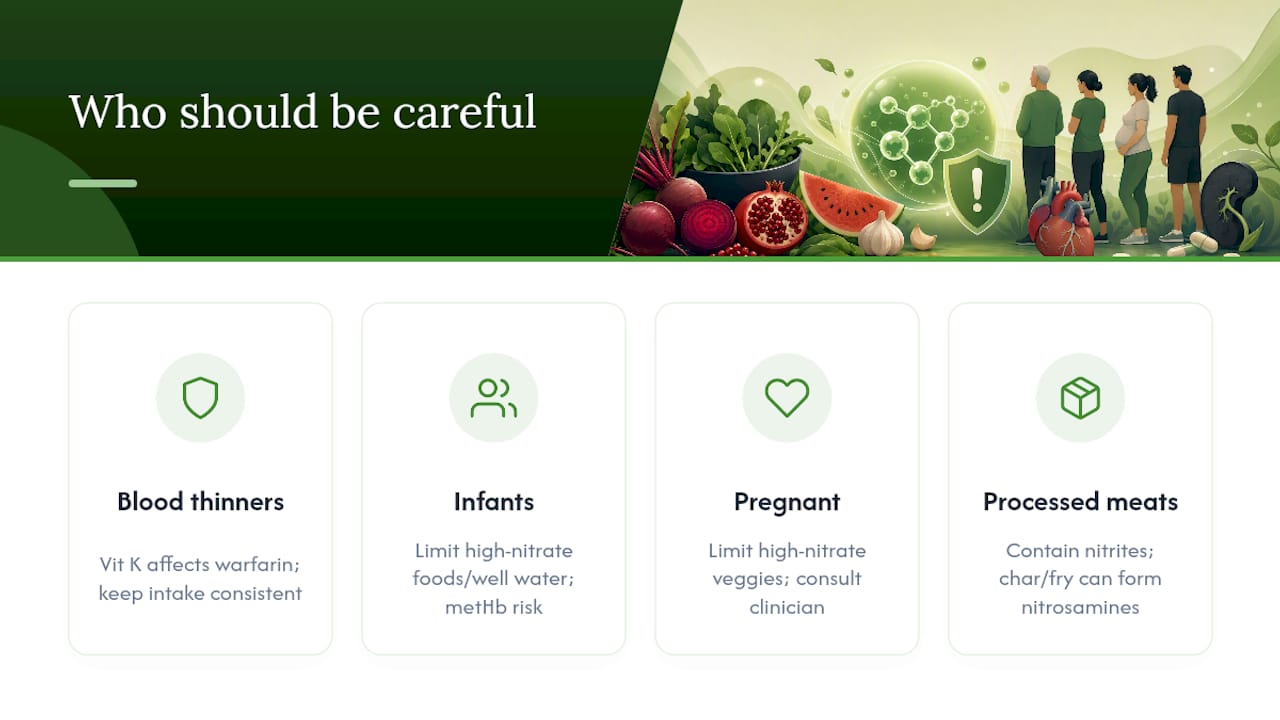
Don’t confuse plant nitrate with the nitrites in cured meats. Whole-food nitrate sources come bundled with antioxidants that offset oxidative stress; processed meat nitrites, especially when charred or fried, can form nitrosamines. And if you have diagnosed vascular disease or erectile dysfunction, diet supports treatment. It doesn’t replace a prescribed medication or a conversation with your doctor about erectile dysfunction.
Where Organic Fuel Fits Into a Nitric-Oxide-Supporting Diet
Every ingredient Organic Fuel uses is tested in US labs, a step that matters more than it sounds. Some beetroot and nitrate products on the market don’t actually contain detectable nitrate, meaning you’re paying for a supplement that can’t do what the label claims.
- Products like Alpha Cactus draw on arginine-supporting botanicals that work alongside the same NOS pathway your diet feeds.
- Every formula ships with a 100% money-back guarantee.
- Supplements are meant to sit alongside food, not instead of it. Talk to a doctor if you’re managing a chronic condition.
Organic Fuel’s blog covers the ingredient science in more depth for readers who want to dig further before deciding.
The Real Gap in Most Nitric Oxide Advice
Most articles on this topic hand you a list of foods and stop there, as if eating more spinach automatically fixes circulation. It doesn’t work that way. The nitrate pathway depends on oral bacteria you can wipe out with a single rinse of mouthwash, and the arginine pathway competes with an enzyme called arginase that breaks arginine down before NOS ever touches it. Diet is necessary, but it’s not sufficient on its own.

The conventional wisdom oversells the “one superfood” framing, whether that’s beets, watermelon, or dark chocolate. The stronger approach is pairing categories, nitrate plus arginine plus antioxidant, and fixing the lifestyle variables that undercut them: excess weight, poor sleep, and inactivity all blunt nitric oxide output regardless of what’s on your plate.
If you’re serious about this, start with what you eat and how you prepare it. Chewing greens and timing beet juice before exercise costs nothing and has real trial support behind it. Supplements have a place for people who want a tested, standardized option on top of that foundation, not instead of it.
— Organic
A Tested Option for Readers Who Want More Than Diet Alone
If you’ve tightened up your diet and still want extra support, that’s exactly where a lab-tested supplement earns its place, not as a shortcut, but as backup for the days your plate falls short. Organic Fuel formulates specifically for that gap: ingredients tested in US labs for potency, backed by a 100% money-back guarantee if a product doesn’t work for you.

For men focused on stamina and performance, Alpha Cactus uses arginine-supporting botanicals that work with the same pathway your beet salad targets. If testosterone and energy are the priority, BioSync-XT is built for that angle, and the Bad Boy Bundle combines multiple formulas for men who want a fuller stack. Women looking for a natural drive and energy option have WAP FOR HER ONLY!, and men focused on long-term vitality can look at Ageless For Men. Right now, the Holiday Fire Deal 4-in-1 bundle bundles four formulas at a fixed price for readers who want to try more than one at once.
Not sure where your levels actually stand? Organic Fuel’s hormone blood testing page is a practical next step before you commit to a stack. Browse the full lineup at Organic Fuel and pick the formula that matches what your diet is missing.
Sources
- NO-Rich Diet for Lifestyle-Related Diseases (PMC review)
- Say NO to disease: The benefits of nitric oxide (OSU Extension)
- The 10 Best Foods to Boost Nitric Oxide Levels
Recommended
- Unleashing the Power of Nature: The Surprising Benefits of Organic Mal – Organic Fuel
- Elevate Your Sexual Performance Naturally with AlphaCactus Organic Mal – Organic Fuel
- Exploring the Ingredients of Alpha Cactus: Nature’s Answer to ED – Organic Fuel
- Alpha Cactus: The Natural Alternative to ED Medications – Organic Fuel


Comments (0)
There are no comments for this article. Be the first one to leave a message!