

Most over-the-counter testosterone boosters do not reliably raise serum testosterone in middle-aged or older men. A 2020 review in the World Journal of Men’s Health found that 90% of sampled “T booster” products claimed to increase testosterone, but fewer than 25% had any academic data backing that claim. A handful of ingredients, like fenugreek and ashwagandha, show modest effects in narrow settings, mostly in younger or athletic men, not the population buying these products off a pharmacy shelf.
If you’re middle-aged or older and wondering whether a bottle of pills will fix low energy, low libido, or stalled muscle gains, here’s the short version:
- Most boosters are unproven combinations of vitamins and minerals with no clear mechanism for raising testosterone.
- The FDA doesn’t require supplement makers to prove a product works before selling it.
- Lifestyle changes and, when appropriate, clinician-supervised testosterone therapy have far stronger evidence behind them.
We’ll walk through what the research actually shows, ingredient by ingredient, then cover the safer paths worth trying first.
Key Takeaways
Most over-the-counter testosterone boosters lack the clinical evidence to reliably raise serum testosterone, making lifestyle changes and clinician-guided testing the more dependable path for middle-aged and older men.
| Point | Details |
|---|---|
| Weak evidence base | Fewer than 25% of booster claims had academic support in a major 2020 review. |
| Few ingredients show promise | Fenugreek, ashwagandha, and Tongkat Ali have limited positive data, mostly in narrow populations. |
| Regulatory gaps are real | The FDA doesn’t require supplements to prove safety or efficacy before sale. |
| Lifestyle changes work faster | Resistance training and better sleep can shift testosterone within weeks to months. |
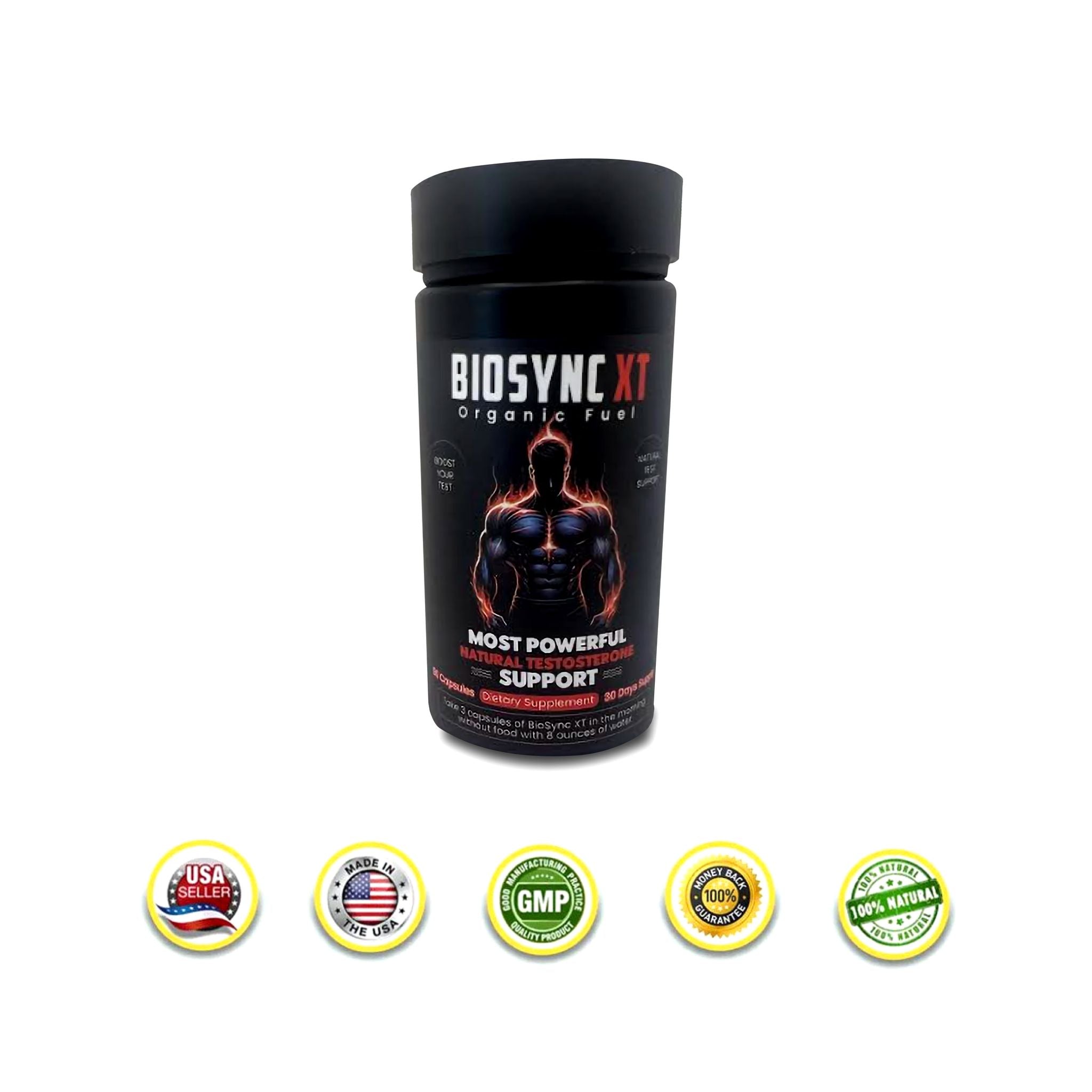
| Choose transparency if you try one | BioSync-XT discloses ingredient doses and includes third-party lab testing and a money-back guarantee. |
This article is general information, not a substitute for advice from a qualified doctor. Consult a qualified healthcare professional about your own circumstances before acting on anything here.
Table of Contents
- Do Testosterone Boosters Work? What the Research Says
- Which Ingredients in Testosterone Boosters Actually Have Evidence?
- Are Testosterone Boosters Safe? Regulatory Gaps and Red Flags
- What Actually Raises Testosterone: Lifestyle and Medical Options
- How Do You Know If Your Testosterone Is Actually Low?
- Should You Try a Testosterone Booster? Our Recommendation
- A Candid Note From Organicufuel
- Try BioSync-XT the Transparent Way
- Sources
Do Testosterone Boosters Work? What the Research Says
The honest answer is that the evidence base is thin, and what exists mostly points away from these products doing what the label promises. Researchers led by Clemesha and colleagues examined dozens of popular testosterone boosters and cross-referenced their ingredient claims against the published literature. The result wasn’t close: nearly every product marketed itself as a testosterone enhancer, yet the academic support for those claims was present in fewer than one in four cases.
A separate systematic review looking specifically at whether these products raise serum total testosterone reached a similar conclusion. Most individual substances tested in human trials failed to move the needle on total testosterone. A short list of exceptions showed some signal, but even those came with asterisks:
- Fenugreek showed testosterone increases in a few small trials, though results were inconsistent across studies.
- Ashwagandha improved testosterone modestly in some stressed or infertile populations, not necessarily in healthy older men.
- Tongkat Ali produced positive results in select Asian population studies, often at doses higher than what’s in a typical capsule.
- Shilajit showed a testosterone bump in one small trial of otherwise healthy men, a result that hasn’t been widely replicated.
- Betaine appeared to help athletes in resistance-training contexts, a very different population from the average 50-year-old reader of a supplement label.
Clinical researchers at Keck Medicine of USC put it plainly: many of these OTC boosters are just combinations of vitamins and minerals with no known biological pathway to raising testosterone, and they caution that men with symptoms of low T should get evaluated by a clinician rather than self-treating with a bottle from a big-box store.
The quality problems run deeper than “some studies were negative.” Many of the trials behind even the promising ingredients were small, sometimes fewer than 30 participants. Study designs varied wildly. Some measured total testosterone, others measured free testosterone, and the two don’t always move together. Durations ranged from a few weeks to a few months, too short to say much about long-term effects. And the men studied were often young, healthy, and resistance-training, a population that behaves very differently than a 55-year-old with a desk job and a shrinking sleep window.
What does this mean if you’re standing in a drugstore aisle weighing a $40 bottle of “testosterone support”? It means the odds favor no measurable change in your blood testosterone. Some ingredients might help you feel better through unrelated mechanisms, better sleep, less fatigue, mild mood lift, without ever touching your actual hormone levels. That’s not nothing, but it’s not what the label promises either.
Which Ingredients in Testosterone Boosters Actually Have Evidence?
Reading a supplement label is easier once you know which names carry real research and which are filler. Here’s a practical rundown of the ingredients you’ll see most often, and what multiple studies (not just one small trial) actually support.
- Fenugreek: Mixed results across trials; some show mild total testosterone increases at doses around 500 to 600 mg daily, others show none. Considered generally safe, though it can cause digestive upset.
- Ashwagandha: Repeated small studies show modest testosterone increases, mostly in men under chronic stress or with fertility issues. Typical doses run 300 to 600 mg of root extract. Generally well tolerated.
- Zinc: True zinc deficiency can suppress testosterone, and correcting a deficiency helps. But supplementing beyond normal levels in men who aren’t deficient shows no added benefit, and high doses (above the 40 mg daily upper limit for adults) can cause copper deficiency and immune suppression.
- Boron: A few small trials suggest boron may reduce estrogen and modestly raise free testosterone, but the human data is limited to a handful of studies with small sample sizes.
- D-aspartic acid: Early trials looked promising in men with low baseline testosterone, but follow-up studies in men with normal levels showed no effect, and one trial found testosterone actually dropped with prolonged use.
- Shilajit: One small randomized trial in healthy men aged 45 to 55 showed a total testosterone increase, but it stands largely alone; purified shilajit also carries heavy-metal contamination risk if not properly processed.
- Tongkat Ali: Several Southeast Asian studies show benefit, particularly in men with lower baseline testosterone or higher stress markers, but doses and extract standardization vary enormously between products.
- Creatine: Well-studied for strength and muscle performance, with no consistent evidence it raises resting testosterone. It’s a legitimate performance supplement, just not a hormone booster.
- Magnesium: Deficiency correction may support healthy testosterone metabolism, but supplementing above adequate levels hasn’t shown extra benefit in trials of non-deficient men.
- Vitamin B12, B6, and niacin: Routinely included at doses far above daily needs. The same review that exposed weak efficacy data also found products with a median of 1,291% of the RDA for B12 and 807.6% for B6, levels with no testosterone benefit and unnecessary long-term exposure.
The pattern that repeats across this list: ingredients with a plausible deficiency-correction story (zinc, magnesium, vitamin D) can help only if you’re actually deficient. Ingredients with a genuine hormonal signal (ashwagandha, fenugreek, Tongkat Ali) show it inconsistently and usually in populations unlike the average reader. And several ingredients are dosed at levels chosen for label appeal, not physiological need, which introduces risk without corresponding upside.
Are Testosterone Boosters Safe? Regulatory Gaps and Red Flags
Here’s the part most marketing pages skip: supplements don’t go through the same approval process as medications. The FDA does not require dietary supplement makers to prove a product works, or is even safe, before it hits shelves. Enforcement is largely reactive, meaning problems get flagged after products are already in medicine cabinets.
That gap has real consequences. The FDA has issued repeated warnings about adulteration in sexual-enhancement and energy products sold online, some spiked with undisclosed prescription drugs or anabolic steroids strong enough to cause serious adverse events. A bottle bought from an unfamiliar website carries a materially different risk profile than one from an established, lab-tested brand.
Dosing is the other quiet danger. Combination products often stack multiple vitamins and minerals at doses that individually seem harmless but collectively exceed tolerable upper intake levels, raising real toxicity concerns for the liver and kidneys over months of daily use.
A few red flags are worth screening for before you buy anything:
- Proprietary blends that hide individual ingredient doses behind a single combined number.
- No third-party testing seal (look for NSF, USP, or an independent lab certificate).
- Missing batch codes or expiration dates on the label or packaging.
- Unrealistic before-and-after claims with no attribution to a specific study.
Pro Tip: Check any supplement label against the FDA’s supplement recall database before your first order, and stop taking a product immediately if you notice heart palpitations, mood changes, or unusual fatigue, then report it through MedWatch.
What Actually Raises Testosterone: Lifestyle and Medical Options
If a supplement bottle is plan A, it’s the wrong plan. The interventions with the strongest evidence behind them don’t come in capsule form.
- Resistance training is the single most consistent lever. Regular strength training supports healthier testosterone levels as men age, with meaningful changes typically visible within two to three months of consistent training.
- Weight loss, particularly loss of visceral fat, correlates strongly with testosterone improvement in overweight men. Fat tissue converts testosterone to estrogen, so shedding excess weight can shift that balance measurably over a few months.
- Sleep matters more than most men expect. Testosterone production peaks during deep sleep, and chronic short sleep (under six hours) has been linked to measurable drops in morning testosterone within just a week of restriction.
- Alcohol moderation and better management of chronic conditions like diabetes and obesity round out the lifestyle picture, both tied to healthier hormone profiles over time.
For men with lab-confirmed low testosterone, clinician-managed testosterone replacement therapy (TRT) is the option with the clearest, fastest, most measurable biochemical result, usually within four to six weeks of starting treatment, monitored through repeat bloodwork. TRT carries real risks, including effects on fertility, red blood cell counts, and cardiovascular monitoring needs, which is exactly why it requires a clinician’s oversight rather than a supplement aisle decision.
Line up the timelines and the contrast is stark: lifestyle changes, weeks to months; TRT, weeks under supervision; supplements, no reliable timeline at all, because most were never shown to work in the first place. These approaches aren’t mutually exclusive. A man starting TRT under medical supervision still benefits from resistance training and better sleep alongside it.

How Do You Know If Your Testosterone Is Actually Low?
Guessing is the expensive way to solve this. Fatigue, low libido, and reduced muscle mass have a dozen possible causes besides testosterone, including thyroid issues, depression, and simple sleep debt. Before spending money on any product, get tested properly.
- Morning blood draw: Testosterone peaks earlier in the day, so an afternoon test can show a falsely low number.
- Repeat testing: One low reading isn’t a diagnosis. Clinicians typically want at least two separate morning draws before confirming low T.
- Total and free testosterone: Total testosterone alone can miss issues with the protein that binds it, so ask for both.
- Related labs: LH, FSH, and prolactin help identify whether the problem originates in the testes or the pituitary.
Once you have real numbers, bring specific questions to your clinician: what’s likely causing this, does it interact with my current medications, and what’s the monitoring plan if we start treatment. If you’re already taking a supplement and notice new symptoms, chest tightness, mood swings, unusual swelling, stop and call your doctor rather than waiting it out.
Pro Tip: Bring your last two years of bloodwork to your appointment. A clinician spotting a trend across multiple tests can catch things a single snapshot misses.
Should You Try a Testosterone Booster? Our Recommendation
Evidence should set the order of operations here, not marketing. Get tested if you suspect low T, put resistance training and sleep first, and treat any supplement as a distant third option, not a shortcut around the first two.
- Lifestyle changes and a clinician evaluation come first, always.
- A supplement is worth considering only after you’ve ruled out an underlying medical cause and set realistic expectations.
- If you do try one, choose a product with transparent dosing, third-party lab testing, and a track record, not a proprietary blend with vague claims.
Organicufuel built BioSync-XT with that transparency standard in mind: ingredients tested in US labs, GMP-certified manufacturing, and a full money-back guarantee if it doesn’t work for you. That doesn’t mean it will change your blood testosterone number, no supplement can promise that honestly, but it does mean you’re not gambling on an unverified overseas product with hidden doses. Talk to your clinician before adding it, especially if you take other medications.
A Candid Note From Organicufuel
We won’t pretend the science on testosterone boosters is settled, because it isn’t. The literature is thin, mixed, and skews toward disappointing results for most ingredients on the market. We built our approach around that reality rather than around it: every batch of BioSync-XT goes through US lab testing, our production follows GMP standards, and we back it with a money-back guarantee because we’d rather lose a sale than oversell an outcome. Talk to your clinician before starting anything new, and reach out to our support team if you have questions about ingredients or dosing.
— Organic
Try BioSync-XT the Transparent Way
If you’ve decided a supplement is worth a shot after ruling out other causes, BioSync-XT gives you a clearer starting point than a random online listing. It’s formulated for men looking for natural testosterone support without hidden proprietary blends, every ingredient and dose is disclosed on the label.
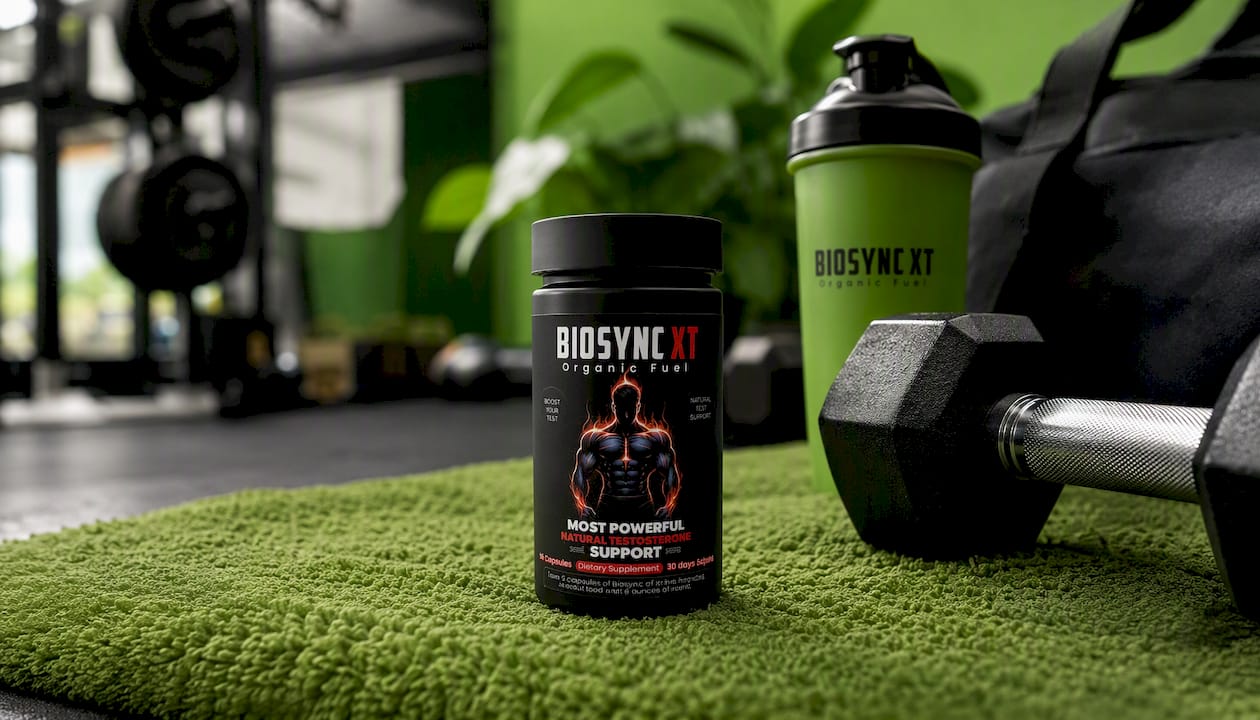
Each batch is tested in US labs and produced under GMP-certified conditions, the kind of quality control missing from many of the contaminated products the FDA has flagged in online marketplaces. Check the full ingredient list and current options on the BioSync-XT product page, and run it by your clinician first if you’re managing any other condition or medication.
Sources
- ‘Testosterone Boosting’ Supplements Composition and Claims Are not Supported by the Academic Literature
- It Really Is ‘FDA Approved’ — Consumer Update
- Are testosterone-boosting supplements effective? Not likely, says new study
- Lifestyle strategies to help prevent natural age-related decline in testosterone


Comments (0)
There are no comments for this article. Be the first one to leave a message!