
USDA Organic means a product was grown, produced, or handled according to standards set by the USDA’s National Organic Program. Depending on the label, that guarantee applies to products with all organic ingredients, products with at least 95% organic ingredients, or products with at least 70% organic content. The strongest two tiers can carry the USDA seal. Every claim rests on annual inspections by an accredited certifying agent and not on the manufacturer’s word alone.
TL;DR:
- The USDA organic label verifies compliance through annual inspections by accredited certifiers, not just manufacturer claims.
- Only products with all or mostly organic ingredients can display the USDA seal, which legally guarantees their organic status.
- Organic standards prohibit synthetic pesticides, GMOs, sewage sludge fertilizers, and non-organic livestock treatments, requiring farms to be free of these substances for three years.
- Certification involves submitting a system plan, on-site inspections, and ongoing reviews, with certifiers audited by USDA to maintain accreditation.
- Organic products tend to have lower pesticide residues, but evidence for better nutrition or health benefits remains inconclusive, making residue exposure a key factor for certain produce.
Table of Contents
- What Are the USDA Organic Labeling Categories?
- What Do USDA Organic Standards Actually Require?
- How Does Organic Certification and Inspection Work?
- What Does the USDA Seal Legally Guarantee?
- Is Organic Actually Healthier, and Is It Worth the Cost?
- How Do You Verify Organic Claims While Shopping?
- Organic Fuel’s Connection to Certified Organic Products
- When Does Organic Actually Matter Most?
- Get Certified Organic Support From Organic Fuel
- Sources
What Are the USDA Organic Labeling Categories?
Not every product that says “organic” on the front is making the same promise. The USDA splits organic claims into three tiers based on the percentage of organic ingredients, and each tier comes with different rules for what can appear on the package.
- 100% Organic: every ingredient (except water and salt) is certified organic. This tier can display the USDA organic seal.
- Organic: at least 95% of ingredients are organic, with the remaining 5% coming from a USDA-approved list of non-agricultural or non-organic substances. This tier also qualifies for the USDA organic seal.
- Made with Organic Ingredients: at least 70% organic content. These products can list specific organic ingredients on the front panel (like “made with organic oats”) but cannot use the USDA seal anywhere on the package.
Products with less than a majority organic content can only identify organic ingredients within the ingredient list, not on the front label. Every tier that makes an organic claim must also name the certifying agent on the information panel, which provides verification beyond marketing claims.
What Do USDA Organic Standards Actually Require?
Organic certification isn’t a vibe. It’s a specific set of production rules written into federal regulation, and they rule out a long list of common farming shortcuts.
- Synthetic pesticides and fertilizers are prohibited on organic cropland
- Genetic engineering (GMOs) is prohibited at all production stages
- Use of sewage sludge as fertilizer is prohibited
- Irradiation is not allowed for pest control or preservation
- Livestock must be fed organic feed and have access to outdoor areas
- Antibiotics and synthetic growth hormones are prohibited in organic meat, poultry, and dairy
Cropland itself has to be free of prohibited substances for three full years before harvest to qualify, which is why converting a conventional farm to organic status takes patience, not a season.
The rules go beyond what’s banned. They also embed goals around soil fertility, crop rotation, and biodiversity into the production plan itself, treating the farm as a system rather than a collection of inputs.
Pro Tip: If animal welfare matters to you specifically, look for “USDA Organic” on meat and dairy rather than “cage-free” or “grass-fed” alone. Those other terms aren’t backed by the same inspection requirements.
How Does Organic Certification and Inspection Work?
Getting the USDA seal on a product isn’t a one-time paperwork exercise. It’s a recurring process that a farm or handler has to pass every single year.
- Write an Organic System Plan. The operation documents exactly how it will comply with organic standards, from seed sourcing to pest control.
- Implement the plan. The farm or facility actually operates according to what it wrote down.
- Undergo an on-site inspection. An accredited certifying agent visits the operation and checks records, fields, and storage areas in person.
- Certifier review. The certifying agent evaluates the inspection findings against USDA requirements.
- Certification decision. The certifier either grants, denies, or continues the operation’s organic status.
USDA doesn’t inspect farms directly. It accredits the certifying agents who do, and those agents face their own USDA audits. Inspections happen at least once a year, and certifiers can request product samples or pull records at any point to confirm nothing has slipped.
What Does the USDA Seal Legally Guarantee?
The seal is a legal claim, not a marketing flourish. When you see it, it means the product met the standards for its specific labeling category, verified by an accredited third party rather than self-reported by the brand.
- The USDA seal is allowed on products that are fully organic or mostly organic, but not on products labeled as “Made with Organic Ingredients.”
- Look for a statement like “certified organic by [certifier name]” on the information panel. This tells you exactly who verified the claim
- The seal itself is backed by federal enforcement, including audits of certifiers and penalties for fraudulent use
- No other food marketing term in the U.S., including “natural,” carries this level of legal weight
Is Organic Actually Healthier, and Is It Worth the Cost?
Organic food tends to have lower pesticide residue levels compared to conventionally grown food. What’s less settled is whether organic produce delivers a meaningful nutritional edge.
According to Harvard Health, evidence for superior nutrient content or clear long-term health benefits from organic food remains inconclusive, even though residue levels tend to be lower. The environmental case is stronger on paper: organic practices are built around soil health and biodiversity, though real-world outcomes vary by farm, region, and crop.
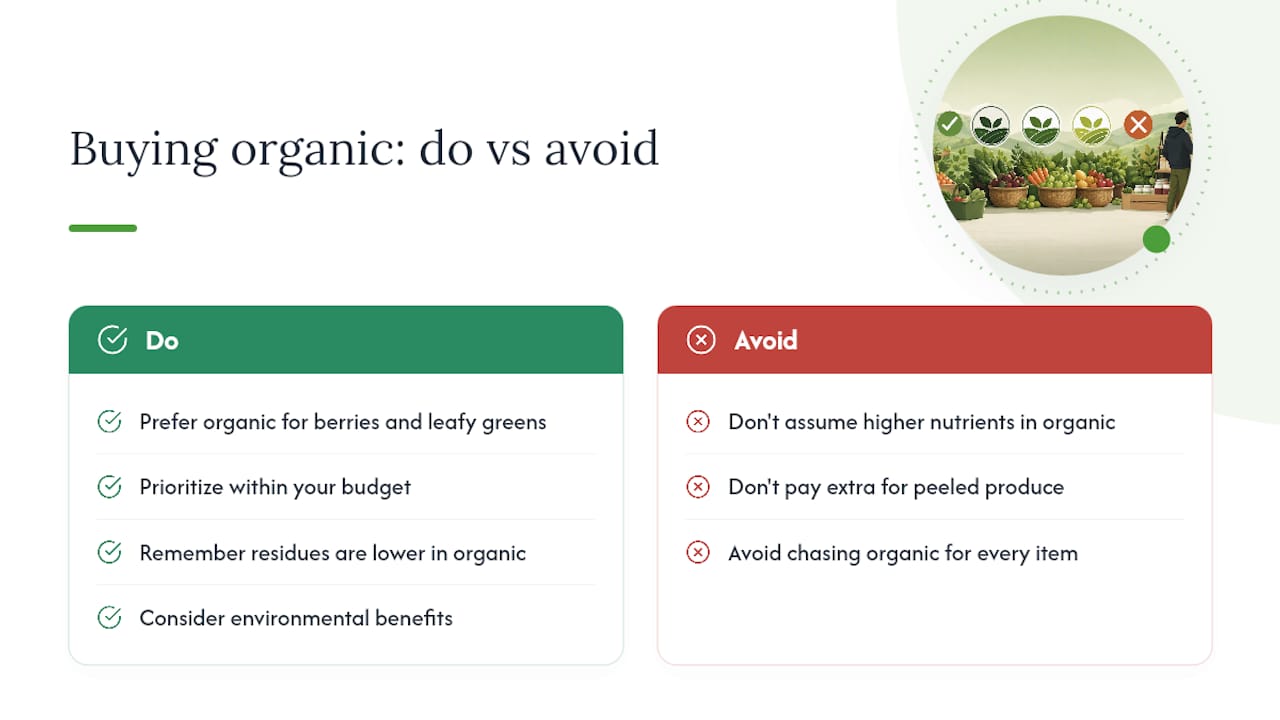
If your budget doesn’t stretch to an all-organic cart, prioritize the produce you eat with the skin on, like berries and leafy greens, where residue exposure tends to matter most, and spend less energy chasing organic status on foods you peel anyway.
How Do You Verify Organic Claims While Shopping?
You don’t need to take a label at face value. A few seconds of checking tells you whether an organic claim actually holds up.
- Look for the USDA seal and the “certified organic by” statement on the information panel.
- At a farmers market, ask the grower directly which certifier backs their claim. Small producers under a low sales threshold may be exempt from formal certification but still cannot legally use the USDA seal.
- Search the operation or certifier name in the NOP’s online organic integrity database to confirm active certification status.
Organic Fuel’s Connection to Certified Organic Products
Some supplement brands build their products around organic herbal ingredients, formulated for people seeking natural support with energy, stamina, and performance instead of synthetic alternatives. Every batch is tested in U.S. labs and manufactured in FDA-registered, GMP-certified facilities, a standard detailed on the certifications page.
[LAB DATA PLACEHOLDER]
That same standard extends to sustainability partnerships, outlined on the collaborations page, which reflects the same soil and stewardship principles behind the USDA organic framework this article covers.
[AUTHOR CREDENTIALS PLACEHOLDER]
When Does Organic Actually Matter Most?
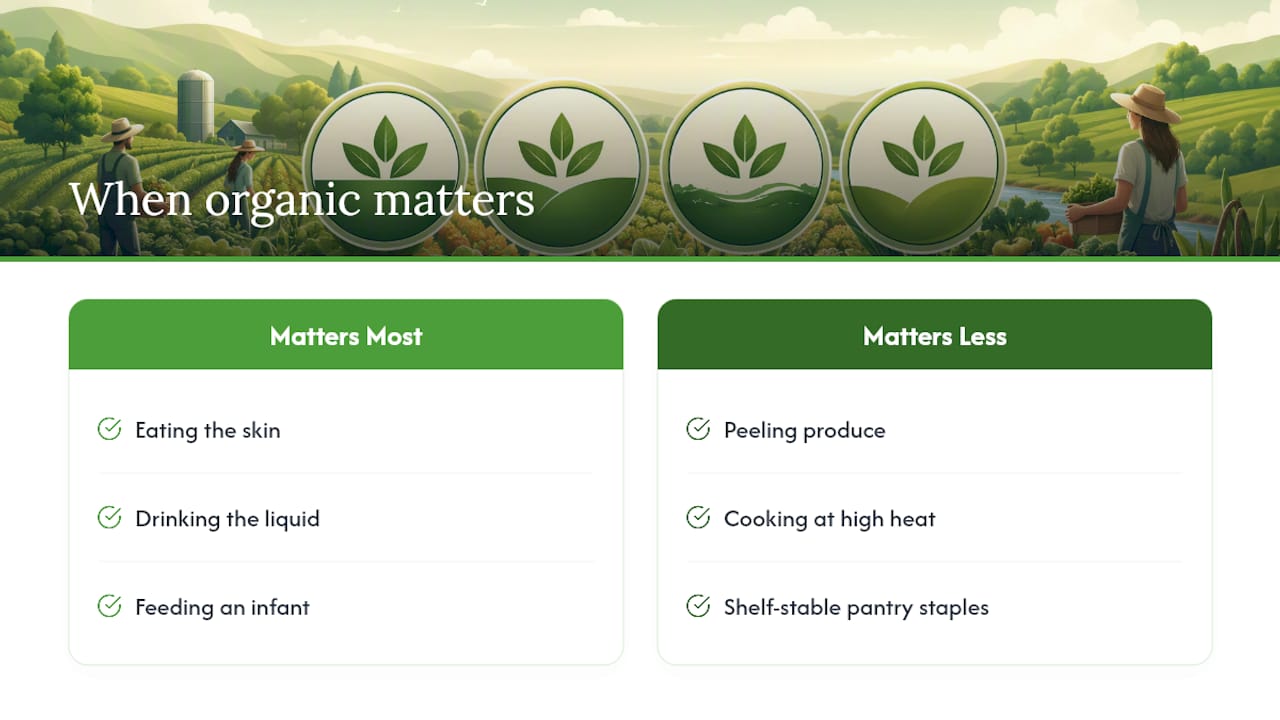
Organic status is not a single line you cross into “healthy.” It’s a production standard, and it matters more in some purchases than others. Where you’re eating the skin, drinking the liquid, or feeding an infant, the case for spending more on organic gets stronger. Where you’re peeling, cooking at high heat, or buying a shelf-stable pantry staple, the gap narrows.
The smartest approach treats the USDA seal as a floor, not a finish line. Verify the certifier, understand which labeling tier you’re actually buying, and put your organic dollars where residue exposure and ingredient purity genuinely change the outcome. That’s a more useful filter than assuming every organic label is interchangeable with every other one.
— Organic
Get Certified Organic Support From Organic Fuel
Organic Fuel is a direct option for shoppers who want the same organic standards discussed above applied to a performance supplement, not just produce. Alpha Cactus is formulated with organic herbal ingredients and tested in U.S. labs, built for people who want stamina and energy support without synthetic compounds.
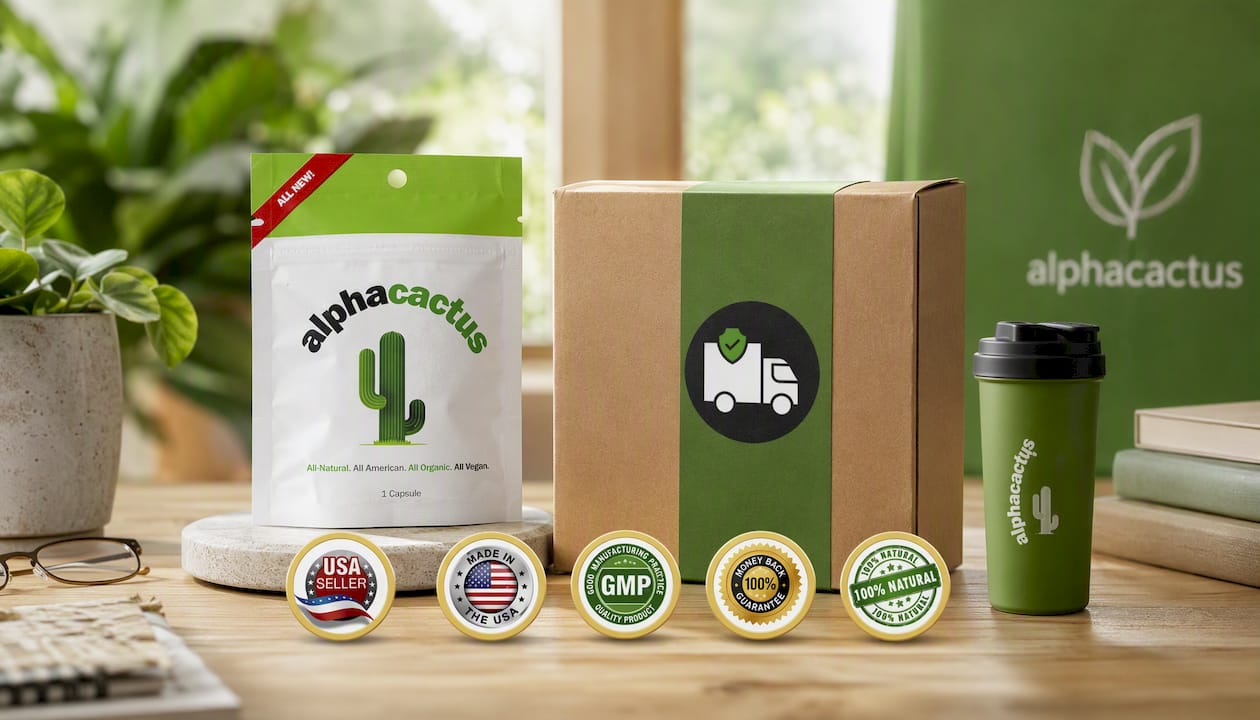
Every order also comes with the option to add shipping protection, so a lost or damaged package doesn’t cost you a replacement out of pocket. Browse the full lineup on the Organic Fuel storefront and pick the formula that matches what you’re after, whether that’s stamina, drive, or everyday vitality. If you’re ready to try it, order Alpha Cactus today and see how it fits into your routine.
Sources
For the regulatory details covered here, the AMS pages on organic labeling, the certification process, and labeling requirements are the primary references. For nutrition context, see Harvard Health’s analysis and this piece on food quality standards.
- Organic food no more nutritious than conventionally grown food | Harvard Health


Comments (0)
There are no comments for this article. Be the first one to leave a message!