

The most reliable way to lower cortisol naturally is to stack a handful of small, boring habits: consistent sleep timing, blood-sugar control at meals, daily breathing or mindfulness practice, regular but not punishing exercise, and genuine social contact. For adults with elevated stress and no diagnosed endocrine condition, ashwagandha at studied doses is the supplement with the strongest human evidence behind it, but it works as an add-on, not a substitute for the basics above.
Here’s where to start today:
- Lock your wake-up time within a 30-minute window, even on weekends.
- Do 10 minutes of slow diaphragmatic breathing before your first coffee.
- Eat protein and fiber at every meal instead of carbs alone.
- Cut caffeine after 2 p.m. and skip alcohol within three hours of bed.
- Walk or bike for 20 to 30 minutes at a conversational pace.
Pro Tip: Exercise actually raises cortisol while you’re doing it. That’s the point. A well-dosed workout spikes cortisol short-term but lowers your resting baseline over days and weeks. The goal isn’t zero spikes, it’s smart recovery between them.
Key Takeaways
Lowering cortisol naturally works best as a layered plan: sleep and blood sugar control first, daily stress practices second, and evidence-backed supplements like ashwagandha as a supporting option after 8 to 12 weeks.
| Point | Details |
|---|---|
| Fix sleep timing first | A consistent wake time stabilizes your circadian cortisol curve within days. |
| Stabilize blood sugar | Pairing protein and fiber at meals blunts the glucose-driven cortisol spikes tied to cravings and crashes. |
| Use daily breathing or mindfulness | Ten to fifteen minutes daily lowers stress reactivity over two to four weeks. |
| Consider ashwagandha at studied doses | Trials show cortisol reductions over about one to four months, with benefit typically assessed at 8 to 12 weeks. |
| Test before assuming | Persistent fatigue, weight changes, or high blood pressure need lab testing, not just symptom tracking. |
| Choose quality-tested supplement options | Organicufuel’s BioSync-XT and Alpha Cactus are lab-tested and GMP-made to complement, not replace, lifestyle-first cortisol management. |
Table of Contents
- Daily Habits That Lower Cortisol Naturally
- Which Stress-Reduction Techniques Actually Lower Cortisol?
- Do Supplements Like Ashwagandha Really Lower Cortisol?
- How Does Exercise Affect Cortisol Levels?
- When Should You Get Your Cortisol Tested?
- Your 30 to 90 Day Plan for Lowering Cortisol
- A Measured Option for Lifestyle-First Support
- Frequently Asked Questions
- Sources
Daily Habits That Lower Cortisol Naturally
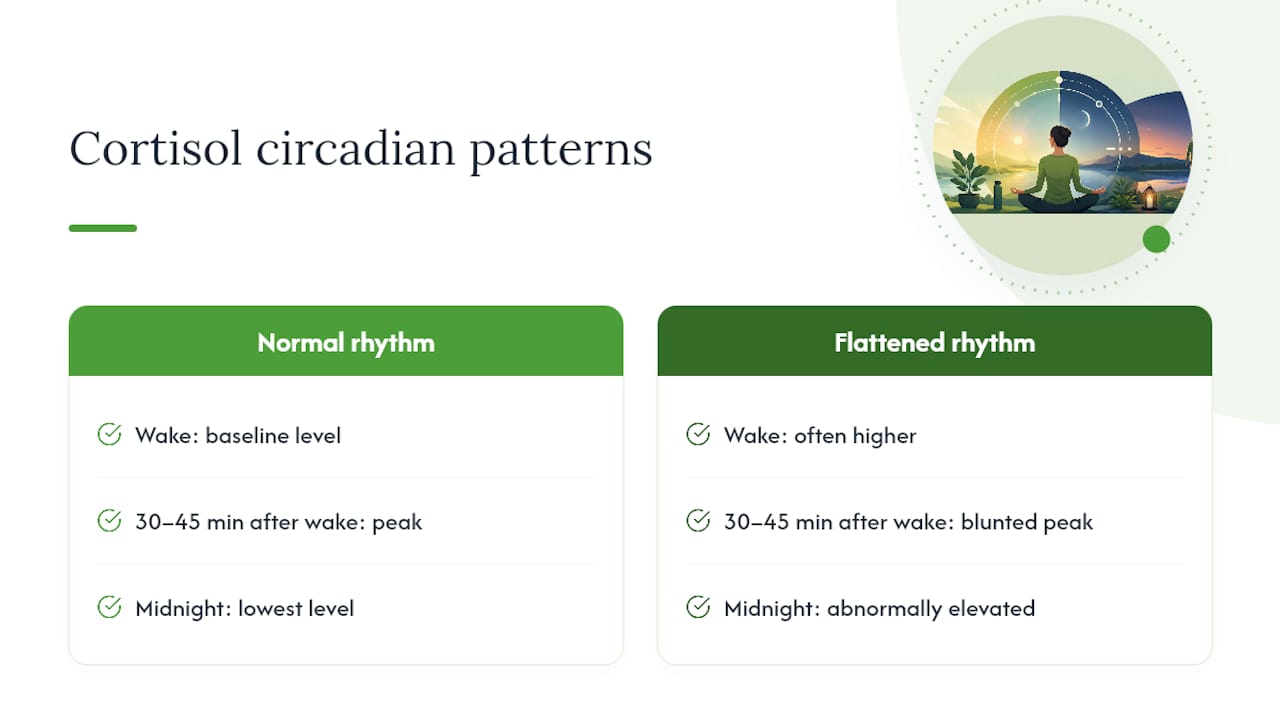
Cortisol isn’t a flat number. It follows a circadian rhythm that peaks about 30 to 45 minutes after you wake up and tapers through the day, reaching its lowest point around midnight. Chronic stress, poor sleep, and erratic eating flatten that curve, so instead of a clean morning peak and gentle decline, you get elevated cortisol at the wrong times, including right before bed. Restoring that rhythm, not just suppressing cortisol across the board, is what actually moves the needle.
Sleep is the fastest lever you have. Going to bed and waking up at consistent times, dimming screens an hour before lights out, and keeping the bedroom cool trains your adrenal glands to follow a predictable schedule. Cleveland Clinic lists sleep quality among the top first-line strategies for cortisol management, right alongside movement and social connection.
Diet matters almost as much, and blood sugar is the mechanism. Every glucose spike triggers a cortisol response to help clear it. Building meals around protein and fiber, per CDC nutrition guidance, keeps that response smaller and steadier. Fermented foods like yogurt and kimchi, plus omega-3 sources like salmon and walnuts, support the gut-brain signaling that also influences cortisol output.
Caffeine and alcohol both interfere with cortisol timing. Caffeine after early afternoon can push your cortisol curve later into the evening, and alcohol close to bedtime disrupts the deep sleep stages where cortisol should be lowest.
Timeline reality check: cutting late caffeine or fixing your sleep window can shift your energy and stress response within days. Diet changes and gut-related improvements usually take two to four weeks to show up consistently.
Which Stress-Reduction Techniques Actually Lower Cortisol?
Behavioral tools blunt cortisol reactivity faster than most people expect, and you don’t need an hour a day to get benefits.
- Diaphragmatic breathing: slows your heart rate and interrupts the fight-or-flight cascade within minutes, ideal for an acute spike.
- Mindfulness or meditation: 10 to 15 minutes daily builds a lower baseline stress response over two to four weeks.
- Progressive muscle relaxation: useful before bed to release physical tension that keeps cortisol elevated into the night.
- Guided journaling: processing a stressor in writing reduces its psychological charge, especially before a known trigger like a big presentation.
- Social support: a phone call or in-person time with someone you trust measurably lowers stress hormone output, something Cleveland Clinic specifically flags as a practical, evidence-backed strategy.
Pro Tip: Build a 5 to 10 minute midday reset: step away from your desk, do four rounds of slow breathing (four seconds in, six seconds out), and text one person you like. Do this around 1 or 2 p.m., when afternoon cortisol dips can otherwise turn into stress eating or a slump.
Do Supplements Like Ashwagandha Really Lower Cortisol?
Ashwagandha is the one supplement with genuinely strong human evidence behind it. A systematic review of clinical trials found that Withania somnifera supplementation lowered cortisol in stressed adults by a range of reductions reported across trials lasting about one to four months. That’s a real, measurable range, not marketing language.
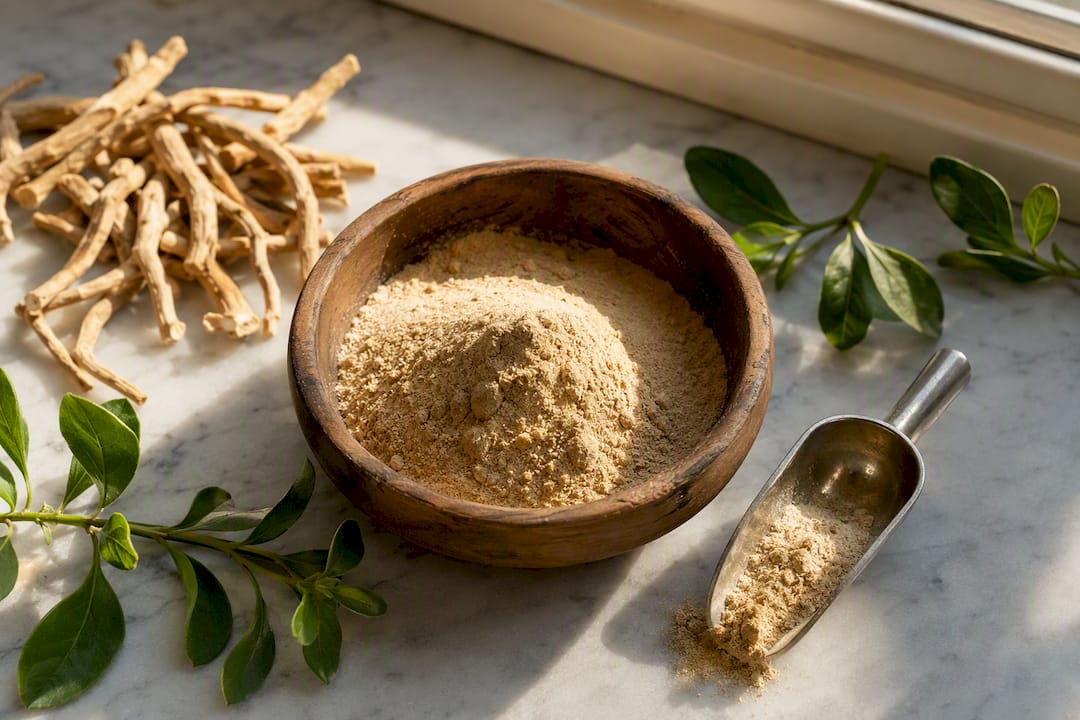
Most of those trials used standardized extracts at moderate doses, with some evidence of benefit at lower doses as well. The NIH Office of Dietary Supplements notes that extracts and doses vary widely across studies, so consistency of product matters as much as the dose itself. Give it 8 to 12 weeks before judging whether it’s working.
Other supplements play different, smaller roles. Phosphatidylserine is better at blunting an acute cortisol spike, like the one after an intense workout, than at lowering your everyday baseline. Magnesium, omega-3s, and L-theanine tend to ease stress symptoms without producing the same consistent cortisol drop seen with ashwagandha, according to evidence summaries comparing these options side by side.
- Take fat-soluble adaptogens with a meal for better absorption.
- Take rhodiola earlier in the day. It’s mildly stimulating and can disrupt sleep if taken late.
- Skip these supplements if you’re pregnant, nursing, or on thyroid or sedative medications without clinician input.
- Watch for mild stomach upset or drowsiness, and stop if you notice unusual fatigue or yellowing skin, a rare but reported liver-related signal.
Pro Tip: If you want to track whether a supplement is actually working, ask your doctor about a baseline cortisol test before you start and a follow-up at 10 to 12 weeks. Guessing based on how you feel is unreliable both ways.
Endocrinologists are consistent on one point: supplements support lifestyle change, they don’t replace it, and nothing over the counter is a guaranteed fix for high cortisol.
How Does Exercise Affect Cortisol Levels?
Exercise creates a paradox worth understanding before you push harder. During a workout, cortisol rises. That’s a normal, useful response that mobilizes energy. The benefit shows up afterward: over hours and days, regular moderate exercise lowers your resting cortisol baseline. Problems start when workouts are too frequent, too intense, or stacked on too little sleep, which can keep your stress system stuck in overdrive.
Walking, cycling, and strength training with real rest days between sessions is the sweet spot for most people managing stress. If you’re already burned out, daily high-intensity training tends to backfire.
Watch for overtraining signs: persistent fatigue, disrupted sleep despite exhaustion, and a performance drop even though you’re training harder.
Pro Tip: Schedule your hardest workouts on your best-slept days, and swap in a walk or gentle yoga session after a rough night or a genuinely stressful day at work.
When Should You Get Your Cortisol Tested?
Chronically high cortisol often shows up as abdominal weight gain, high blood sugar, muscle weakness, and disrupted sleep. Low cortisol tends to look like persistent fatigue, unexplained weight loss, and low blood pressure. Neither pattern is diagnostic on its own, according to Mayo Clinic, which is why testing matters more than symptom-watching alone.
See a clinician promptly for rapid unexplained weight gain, severe or sudden high blood pressure, marked mood or behavior changes, or any sign of adrenal crisis, including severe weakness paired with vomiting or fainting.
Clinicians choose from several tests depending on the question, per MedlinePlus:
- Morning serum cortisol captures your natural daily peak.
- Late-night salivary cortisol checks whether your evening low is actually low.
- 24-hour urinary free cortisol measures total daily output.
- Dexamethasone suppression test checks whether your body properly shuts cortisol production down when it should.
Your 30 to 90 Day Plan for Lowering Cortisol
You don’t need to overhaul everything at once. Sequence it.
- Days 1 to 14: Fix your sleep window, eat a protein-forward breakfast, add 10 minutes of morning breathing, walk 20 to 30 minutes daily, and pull back late caffeine and alcohol.
- Weeks 2 to 4: Layer in a daily mindfulness practice, tighten meal timing for steadier blood sugar, and consider a low-dose adaptogen only after checking in with a clinician.
- Weeks 6 to 12: This is when validated supplements like ashwagandha tend to show measurable cortisol changes. Reassess your symptoms, consider a follow-up lab test if you started one, and resist stacking multiple untested formulas at once.
Timeline callout: sleep and caffeine adjustments often shift how you feel within days. Diet and gut-related changes take a few weeks. Supplement-driven cortisol changes, per the trial data, generally need 6 to 12 weeks to show up reliably.
One Reader’s Version of This Plan
I moved my bedtime up 45 minutes and started five minutes of breathing before checking my phone. Small, almost forgettable changes. By week eight I added ashwagandha, retested cortisol at week twelve, and finally had a number to compare against how I actually felt.
A Measured Option for Lifestyle-First Support
Everything above works without spending a dollar on supplements, and that order matters: fix sleep, food, and breathing before you reach for a bottle. If you decide a supplement fits your plan, it’s worth choosing one from a company that treats quality control as seriously as the science does.
BioSync-XT Natural Testosterone Support & Booster is built for hormonal and vitality support alongside the lifestyle habits covered above, and Alpha Cactus offers a complementary option for adult stamina and resilience. Neither treats or cures an endocrine disorder. Both are made to support the foundation you’re already building with sleep, movement, and stress management. Check the lab-testing standards behind every batch and browse the full lineup at Organic Fuel to see which option fits your plan.
Frequently Asked Questions
How long does it take to lower cortisol naturally? Sleep and caffeine changes can shift how you feel within days. Diet and gut-related improvements usually take two to four weeks, and supplement-driven cortisol changes typically need 6 to 12 weeks to show up in testing.
What foods lower cortisol naturally? Meals built around protein, fiber, and fermented foods keep blood sugar steady and reduce the glucose spikes that trigger cortisol release. Omega-3-rich foods like salmon and walnuts also support the gut-related pathways tied to stress regulation.
Is ashwagandha better than rhodiola for lowering cortisol? Ashwagandha has the stronger evidence base for lowering baseline cortisol, with trial-backed reductions of 11% to 33%. Rhodiola has less consistent cortisol-specific data and is generally used for energy and mental fatigue, best taken earlier in the day since it can be mildly stimulating.
Can exercise raise cortisol instead of lowering it? Yes, briefly. Exercise causes a normal short-term cortisol rise during activity, but regular moderate exercise lowers your resting baseline over time. Overtraining without adequate recovery is what causes lasting cortisol problems, not the workout itself.
When should I see a doctor about high cortisol instead of trying natural methods? See a clinician for rapid unexplained weight gain, severe high blood pressure, marked mood changes, or signs of adrenal crisis. These warrant lab testing, since symptoms alone can’t confirm an endocrine disorder.
Sources
- Effects of Withania somnifera on cortisol levels in stressed human subjects: a systematic review - PMC
- Ashwagandha - Health Professional Fact Sheet | Office of Dietary Supplements (ODS), NIH
- Cortisol: What it is, function, symptoms & levels | Cleveland Clinic
- Cushing syndrome - Symptoms and causes | Mayo Clinic
- Cortisol test - MedlinePlus
Recommended
- Embrace the Power of Nature: Alpha Cactus as Your ED Solution – Organic Fuel
- Alpha Cactus: The Natural Alternative to ED Medications – Organic Fuel
- Embracing Nature’s Power: Alpha Cactus at the Forefront of the ED Trea – Organic Fuel
- Exploring the Ingredients of Alpha Cactus: Nature’s Answer to ED – Organic Fuel


Comments (0)
There are no comments for this article. Be the first one to leave a message!