
Cactus extract earns its reputation as a genuine functional ingredient: solid nutritional and antioxidant value, preliminary human evidence for lowering fasting blood sugar, and lab-backed potential for skin hydration and repair. The catch is that most of the strongest data comes from reviews and small trials, not large clinical studies, so treat it as a support tool rather than a cure. What you get out of it also depends heavily on the form, whether that’s fresh fruit, cladode juice, or a standardized extract.
TL;DR:
- The strongest human evidence supports cactus extract’s role in lowering fasting blood sugar, mainly due to its fiber and antioxidant compounds.
- Its benefits for liver protection and reducing inflammation are primarily based on animal and cell studies, not large clinical trials.
- Benefits for skin hydration and anti-aging are backed by lab data, but human trial confirmation remains limited, especially for wound healing.
- The effectiveness varies depending on whether you use fresh fruit, juice, standardized extract, or topical formulations, with standardized extracts providing the most consistent doses.
- Cactus extract is generally safe but can cause digestive issues and may interact with blood sugar medications, requiring caution and medical consultation.
Table of Contents
- What Are the Main Cactus Extract Benefits?
- What’s Inside Cactus Extract? Nutrition and Bioactive Profile
- Does Cactus Extract Lower Blood Sugar and Cholesterol?
- Can Cactus Extract Protect the Liver and Reduce Inflammation?
- Is Cactus Extract Good for Skin?
- What Are the Side Effects and Risks of Cactus Extract?
- How Should You Take Cactus Extract? Forms and Dosing
- Organic Fuel’s Approach to Cactus-Derived Ingredients
- Fitting Cactus Extract Into a Real Wellness Routine
- Where Alpha Cactus Fits Your Cactus Extract Goals
- Sources
- FAQ
What Are the Main Cactus Extract Benefits?
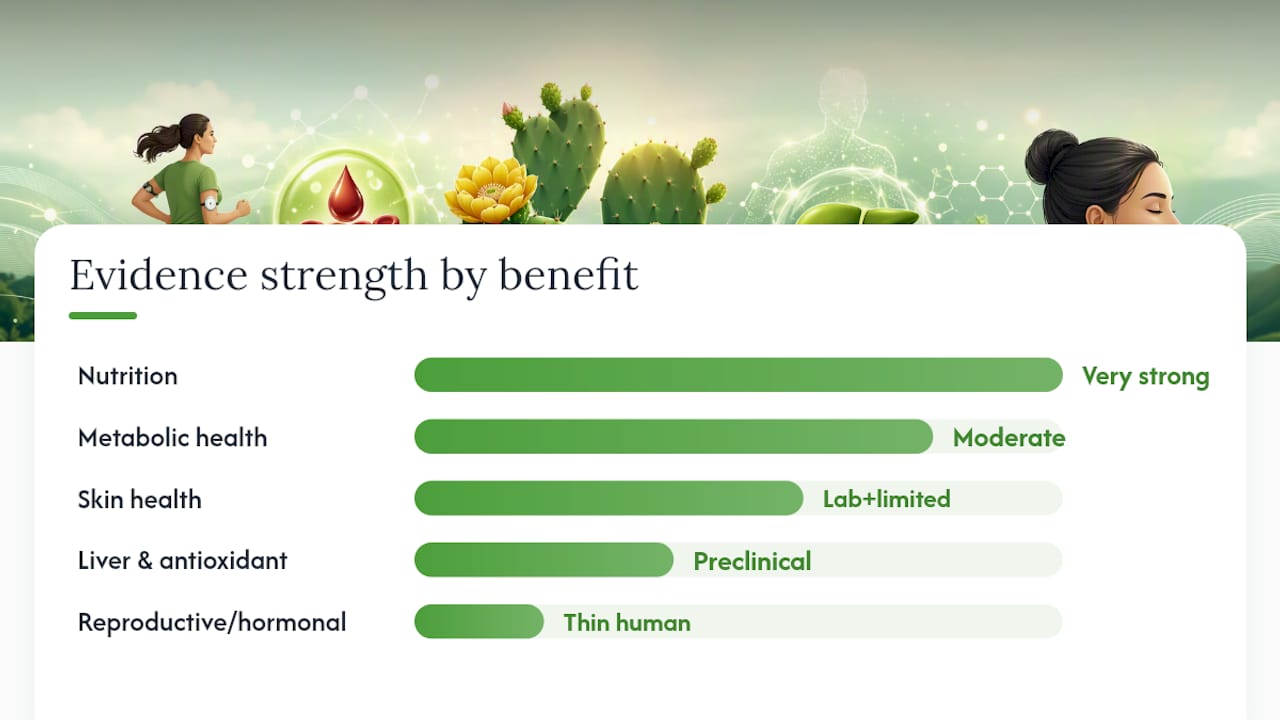
Cactus extract, most often derived from Opuntia ficus-indica (nopal or prickly pear), shows up in five broad benefit categories, each backed by a different tier of evidence. Knowing which bucket a claim falls into helps you separate what’s well supported from what’s still speculative.
- Nutrition: Fiber, vitamin C, vitamin A, and minerals like magnesium and potassium make cactus fruit and pads a genuinely nutrient-dense food, not just a novelty ingredient.
- Metabolic health: Preliminary human trials link prickly pear consumption to lower fasting blood sugar, an effect tied mainly to soluble fiber and polyphenol content.
- Liver and antioxidant support: Betalains, especially betanin, show hepatoprotective and free-radical-scavenging activity in preclinical models.
- Skin health: Polysaccharide mucilage and antioxidant compounds support hydration, reduced irritation, and wound-healing potential in lab and formulation studies.
- Reproductive and hormonal notes: Animal studies suggest some protective effects on reproductive tissue under heat stress, but human data here is thin at best.
The active components driving these effects are betalains, polyphenols, flavonoids, and polysaccharides, all present in varying concentrations depending on which part of the plant you’re using. Evidence quality drops as you move down that list. Nutrition claims rest on straightforward compositional analysis. Metabolic claims rest on a handful of human trials and one influential 2022 review. Liver and reproductive claims mostly come from animal or cell-culture studies. Skin benefits sit somewhere in between, with strong lab data but limited human trial confirmation.
That doesn’t mean the weaker categories are bogus. It means you should calibrate your expectations. If you’re using cactus extract for general antioxidant support and fiber intake, the evidence is about as solid as supplement science gets. If you’re hoping it reverses liver damage or fixes a hormonal issue, you’re extrapolating well past what the data currently supports.
What’s Inside Cactus Extract? Nutrition and Bioactive Profile
The nutritional case for cactus starts with fiber. Nopal cladodes and prickly pear fruit both deliver a mix of soluble fiber (pectin) and insoluble fiber, plus a respectable vitamin and mineral load. Some analyses report ascorbic acid concentrations as high as 3.3 grams per 100 grams in certain fruit samples, alongside vitamin A, vitamin E, calcium, magnesium, and potassium.
Fast fact: Some cactus pear samples show ascorbic acid concentrations around 3.3 grams per 100 grams, putting select fruit varieties well ahead of many common produce items for vitamin C density, according to a bioactive compound review.
Beyond the basic nutrient profile, four bioactive classes do most of the heavy lifting:
- Betalains (including betanin): The pigments responsible for the fruit’s deep red or purple color, and the compounds most linked to antioxidant and hepatoprotective activity.
- Polyphenols and flavonoids: Broad-spectrum antioxidants concentrated especially in the flowers and cladodes, contributing to anti-inflammatory effects.
- Polysaccharides (mucilage): The gel-like fiber responsible for cactus’s signature texture, studied for wound healing, moisturizing, and immune-modulating effects.
- Seed oils: Rich in unsaturated fatty acids, used mostly in cosmetic formulations rather than oral supplements.
Composition varies a lot depending on which part of the plant you’re looking at and how it’s processed. Fruit tends to carry more vitamin C and sugars. Cladodes carry more fiber and mucilage. Flowers concentrate the highest phenolic content in some analyses. This variability across plant parts is why “cactus extract” on a label doesn’t tell you much on its own. A juice made from fruit pulp behaves differently in your body than a standardized cladode extract concentrated for polysaccharide content.
There’s also a synergy question worth understanding. Comparative research suggests whole-plant or full-spectrum extracts often outperform isolated single compounds, because the combination of betalains, polyphenols, and polysaccharides appears to work better together than any one piece alone, according to comparative analyses of extract types. That’s a useful filter when you’re comparing products: an extract standardized to one isolated compound isn’t necessarily better than a full-spectrum formula, and it may actually underperform it.
Does Cactus Extract Lower Blood Sugar and Cholesterol?
The metabolic evidence for cactus extract is the strongest human data available, and it’s still modest. A 2022 review found that prickly pear consumption may decrease fasting blood sugar in both healthy adults and people with type 2 diabetes, an effect attributed largely to fiber content, including pectin, and the plant’s antioxidant load, according to Mayo Clinic’s summary of the research. That’s a meaningful finding, but it’s not the same as a clinically validated treatment protocol, and the effect size in these studies is modest rather than dramatic.
The mechanism makes biological sense even where the clinical picture is incomplete:
- Soluble fiber (pectin and inulin-like compounds) slows carbohydrate absorption in the gut, blunting post-meal blood sugar spikes.
- Antioxidants and anti-inflammatory compounds may reduce inflammatory signaling that interferes with insulin sensitivity over time.
- Polysaccharide mucilage adds bulk and viscosity to digestive contents, which can slow gastric emptying and further flatten glucose response curves.
Where does that leave weight management and cholesterol? The evidence here is thinner and mostly inferential. Fiber-rich foods generally support satiety and can support modest weight management as part of a broader diet, and some of the same fiber and antioxidant mechanisms plausibly extend to lipid metabolism. But there isn’t a robust, dedicated body of human trials isolating cactus extract’s effect on cholesterol the way there is for blood sugar.
Pro Tip: If you’re managing blood sugar with medication, don’t swap in cactus extract as a substitute. Add it as a complement, track your glucose readings closely for the first few weeks, and loop in your prescriber before making any changes to your regimen.
The practical takeaway: cactus extract functions best as one input in a broader glycemic management plan, alongside diet quality, activity, and medical monitoring, not as a standalone fix. For anyone newly diagnosed or adjusting their approach to blood sugar control, a structured resource like this diabetes management guide is a better starting point for the full clinical picture than any single supplement claim.
Can Cactus Extract Protect the Liver and Reduce Inflammation?
Betanin, the primary betalain in red and purple cactus fruit, carries the most consistent evidence in this category. Preclinical research shows betanin acts as a potent free-radical scavenger capable of protecting liver cell membranes from oxidative stress, with review literature describing genuine hepatoprotective potential in animal and cell-based models.
The anti-inflammatory angle runs parallel to the antioxidant story. Cactus-derived polyphenols and betalains have been studied for their capacity to modulate inflammatory markers, with some research pointing to effects on cytokines like IL-6 and IL-8 in laboratory settings. That’s relevant because chronic low-grade inflammation is implicated in everything from insulin resistance to cardiovascular risk, so an ingredient that dials down inflammatory signaling has plausible downstream benefits well beyond the liver itself.
Here’s the honest gap: most of this evidence is preclinical. Rodent studies and cell cultures show liver protection and inflammation reduction convincingly enough to justify continued research, but there isn’t yet a large human trial confirming that oral cactus extract meaningfully improves liver enzyme levels or reverses liver damage in people. If you have an existing liver condition, this is a category where you want a hepatologist’s input rather than a supplement label’s promise.
- Betanin shows clear antioxidant activity in laboratory and animal models.
- Anti-inflammatory effects appear across multiple bioactive classes, not just betalains alone.
- Human clinical trials measuring liver-specific outcomes remain limited and small in scale.
Is Cactus Extract Good for Skin?
Cactus extract’s skincare reputation rests on a fairly intuitive mechanism: the same mucilage that gives nopal pads their slippery texture is a polysaccharide gel exceptionally good at holding water against the skin. That hydration mechanism, combined with the plant’s antioxidant load, is why cactus shows up in an increasing number of moisturizers and after-sun products.
Polysaccharides extracted from cladodes and fruit have been studied for wound healing, moisturizing, and anti-glycation activity, meaning they may help slow the cross-linking of proteins that contributes to skin stiffening and visible aging over time. Antioxidant compounds in the extract also help neutralize the free radicals generated by UV exposure and pollution, which is the underlying driver of a lot of premature skin aging.
- Hydration: Mucilage polysaccharides bind and retain water at the skin’s surface, supporting a plumper, less dehydrated appearance.
- Anti-aging support: Antioxidants counter oxidative stress, while anti-glycation activity may help preserve collagen structure.
- Irritation reduction: Some formulation studies note calming effects on irritated skin, likely tied to the same polysaccharide fraction.
- Wound care potential: Lab and animal studies show promising wound-closure activity, though this is still an emerging application rather than an established clinical treatment.
Pro Tip: Molecular weight matters more than most labels admit. Lower molecular weight polysaccharide fractions tend to penetrate better for hydration, while higher molecular weight fractions sit on the surface, forming a protective film. If a product doesn’t specify extraction method, you’re guessing.
When you’re shopping for a topical product, the concentration and extraction method both shape how well it performs. Aqueous extracts concentrate the polysaccharide and mucilage fraction, which is what you want for hydration. Alcohol-based extractions pull out more lipophilic compounds, which behave differently on skin. Look for products that specify their extraction method or at least list a standardized active percentage rather than a vague “cactus extract” line buried at the bottom of the ingredient list.
What Are the Side Effects and Risks of Cactus Extract?
Cactus extract is generally well tolerated, but it’s not risk-free, and the most common issues show up in the digestive tract. Because of its fiber and mucilage content, some people experience mild diarrhea, nausea, increased stool volume, or abdominal fullness, especially when starting at a high dose, according to Mayo Clinic’s clinical guidance.
Reality check: GI upset from cactus extract is common enough at high starting doses that clinicians routinely recommend easing in gradually rather than jumping straight to a full dose.
The interaction risk that matters most involves blood sugar medication. Since cactus extract may itself lower fasting blood sugar, combining it with insulin or oral glucose-lowering drugs raises the theoretical risk of additive effects and hypoglycemia. Anyone managing diabetes should treat cactus supplements as something to discuss with a clinician first, not something to layer on quietly alongside prescribed medication.
Other groups that should be cautious:
- Pregnant or nursing individuals, since safety data in these populations is essentially absent.
- Anyone on blood pressure or cholesterol medication, given the plausible overlapping mechanisms with cardiovascular drugs.
- People with known plant allergies, particularly to other members of the cactus family.
- Anyone buying unregulated supplement powders, where contamination and inconsistent dosing are real risks in a loosely regulated category.
That last point is worth taking seriously. Supplement quality varies enormously by manufacturer, and third-party testing is one of the few ways to verify that what’s on the label matches what’s in the bottle. If you’re on any prescription medication, treating a new supplement the way you’d treat a new drug, meaning you read labels, start low, and check with a pharmacist or physician, is the safer default.
How Should You Take Cactus Extract? Forms and Dosing
Picking the right form depends entirely on what you’re trying to accomplish.
- Fresh fruit or cladode (nopal pads): The most bioavailable whole-food option, good for general fiber and vitamin intake, but concentration of any single bioactive compound is low and inconsistent.
- Juice: Convenient and palatable, but often loses fiber content during processing, which weakens the metabolic benefits tied to soluble fiber.
- Standardized extract (capsule or powder): The most consistent option for targeting specific effects, since reputable products list betalain or polysaccharide content per dose.
- Topical formulations: Best for skin-specific benefits, where aqueous extraction methods concentrate the mucilage fraction responsible for hydration.
Human studies examining blood sugar effects have generally used cactus preparations in the range of a few grams of dried cladode powder or equivalent extract per day, though exact protocols vary by study. Given the GI side effects noted earlier, starting at the low end of any labeled dose and increasing gradually over one to two weeks is the safer approach than jumping straight to a full serving.
Pro Tip: Check the label for a specified betalain or polysaccharide content rather than a vague “proprietary blend.” A quantified marker is your best proxy for consistency between batches.
When comparing products, prioritize three things: a standardized active marker (betalain or polysaccharide content), evidence of third-party lab testing, and a clean, specific ingredient list rather than a blend that hides individual quantities.
Organic Fuel’s Approach to Cactus-Derived Ingredients
The products use lab-tested ingredients sourced from suppliers with manufacturing standards focused on quality and safety. That process reflects the standardization principles this article covers: knowing what’s actually in an extract, at what concentration, matters more than a generic “cactus extract” label.
The Alpha Cactus product is formulated to support vitality and stamina, focusing on general wellness rather than specific clinical outcomes. Organicufuel doesn’t claim its formulas reverse liver damage or replace diabetes medication, and neither should any responsible supplement brand. It claims to offer a natural formulation without synthetic fillers or undisclosed proprietary blends. You can read more about how Alpha Cactus supports broader health goals beyond its primary use case.
Fitting Cactus Extract Into a Real Wellness Routine
If your goal is glycemic support, pair a standardized extract with dietary fiber and consistent activity, not as a replacement for either. If you want skin benefits, a topical formulation with a clear extraction method beats a vague “cactus water” claim on a bottle. Supplements work best as an adjunct to diet and lifestyle fundamentals, never a substitute for them. And if you’re on any medication, particularly for blood sugar or blood pressure, talk to your clinician before adding cactus extract to your routine.
— Organic
Where Alpha Cactus Fits Your Cactus Extract Goals
Organicufuel’s edge isn’t a synthetic shortcut. It’s a lab-tested, GMP-certified formula built around the same plant compounds this article just walked through, without the guesswork of an unlabeled blend.
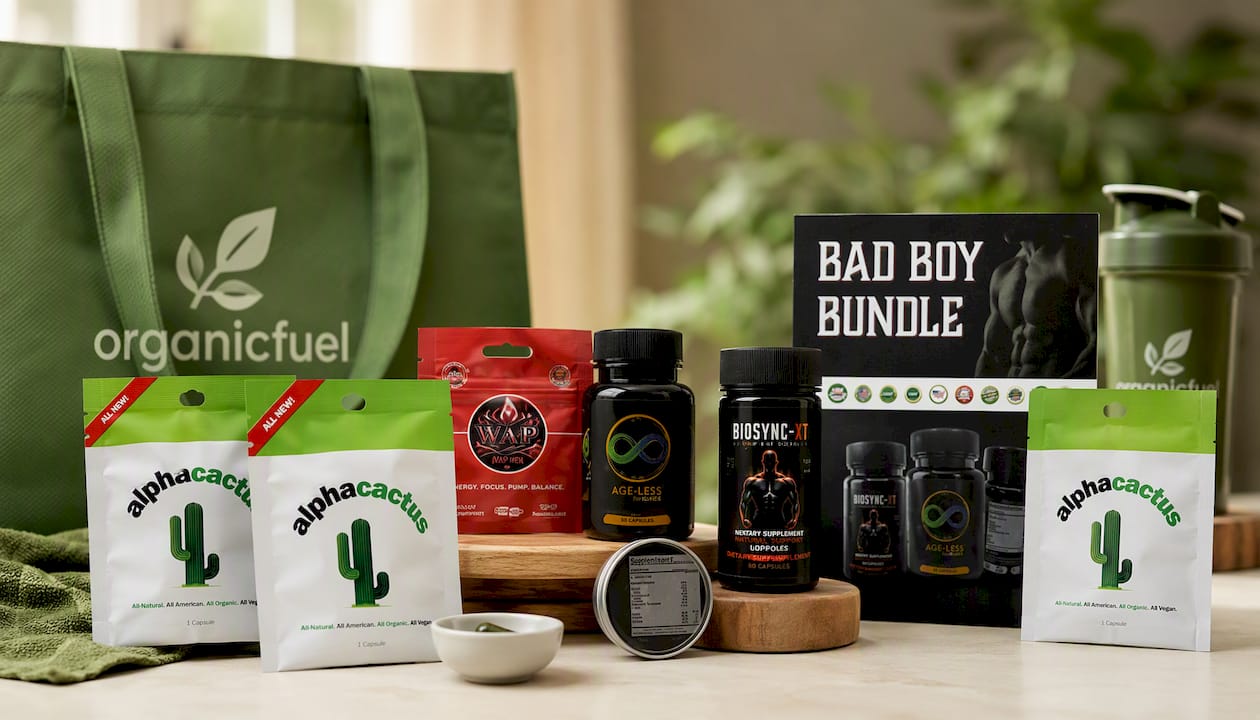
If vitality and stamina are your priority, Alpha Cactus is formulated around those goals specifically, with ingredients tested for safety and effectiveness rather than borrowed from a generic supplement template. Want broader hormonal and energy support alongside it? The Holiday Fire Deal 4-in-1 Premium Collection bundles multiple formulas for readers who want a fuller stack rather than a single product. The Bad Boy Bundle offers another combination option for men focused on stamina and performance together. If you’re managing a diagnosed condition like diabetes or a liver issue, talk to your doctor first. For general vitality support, browse the full Organicufuel catalog and pick the formula that matches what you’re actually trying to solve.
This article is general information, not a substitute for advice from a qualified doctor. Consult a qualified healthcare professional about your own circumstances before acting on anything here.
Sources
- Does prickly pear cactus have health benefits? - Mayo Clinic
- Hepatoprotective potential of Opuntia spp. - PMC
- Opuntia polysaccharides review - Frontiers
FAQ
What Diseases Can Cactus Extract Help With?
Cactus extract has the strongest human evidence for supporting fasting blood sugar management in both healthy adults and people with type 2 diabetes, according to a 2022 review cited by Mayo Clinic. Preclinical research also points to liver-protective and anti-inflammatory effects, but those findings haven’t been confirmed in large human trials for specific liver diseases.
How Do You Use Cactus for Joint Pain?
Joint pain relief isn’t a well-established use for cactus extract in human clinical research. The plant’s anti-inflammatory compounds, including betalains and polyphenols, have shown activity against inflammatory markers in laboratory studies, which is the plausible mechanism people point to, but there isn’t robust human trial data specifically validating cactus extract for joint pain.
What Does Cactus Extract Do to Your Body?
Cactus extract delivers fiber, vitamin C, and antioxidant compounds like betalains and polyphenols that support digestion, help moderate post-meal blood sugar spikes, and reduce oxidative stress. Effects vary by form. Fresh cladodes and fruit provide whole-food nutrition, while a standardized extract like the kind used in products such as Alpha Cactus concentrates specific compounds for a more targeted effect.
Is Nopal Cactus Good for Kidney Health?
There isn’t strong human clinical evidence directly linking nopal cactus to kidney health outcomes. Its fiber and antioxidant content support general metabolic health, which indirectly matters for kidney function since blood sugar control plays a role in long-term kidney health, but anyone with existing kidney disease should consult a nephrologist before adding any new supplement, given how some kidney conditions require careful fluid and mineral intake management.
Does Organicufuel Test Its Cactus-Based Products?
Yes. Organicufuel formulates its cactus-based products, including Alpha Cactus, with ingredients tested in US labs under GMP-certified, FDA-registered manufacturing standards. Current pricing and product details are available on the Organicufuel product catalog.

Comments (0)
There are no comments for this article. Be the first one to leave a message!